Do Protein Shakes Cause Constipation? Causes and Simple Fixes
Do protein shakes cause constipation? They can contribute in some people, but protein itself is not usually the only explanation. More often, a shake replaces fiber-rich food, reduces total food volume, or is introduced alongside another change such as a calorie-restricted diet, travel, medication, or reduced activity.
The quickest way to solve the problem is to confirm that you are actually constipated, review what changed when you added the shake, and correct the most likely cause one step at a time.
Quick answer If your stools became hard, difficult to pass, or less frequent after you started protein shakes, first check your fiber intake, fluid intake, meal pattern, and the powder’s ingredient label. If you mainly have gas and bloating but still pass stool normally, lactose or certain sweeteners may be causing digestive discomfort rather than true constipation.
What Counts as Constipation?
Constipation is not simply missing your usual morning bowel movement. Normal frequency varies from person to person.
Common signs include:
- Fewer than three bowel movements per week
- Hard, dry, or lumpy stools
- Stools that are difficult or painful to pass
- Straining
- Feeling that not all the stool has passed
Gas and abdominal bloating can feel like a blockage, but they are not automatically constipation. This distinction matters because lactose and some sweeteners are more likely to cause gas, cramps, or loose stools than hard stools.
Why a Protein Shake May Contribute to Constipation
1. It replaced fiber-rich food
This is one of the most likely explanations.
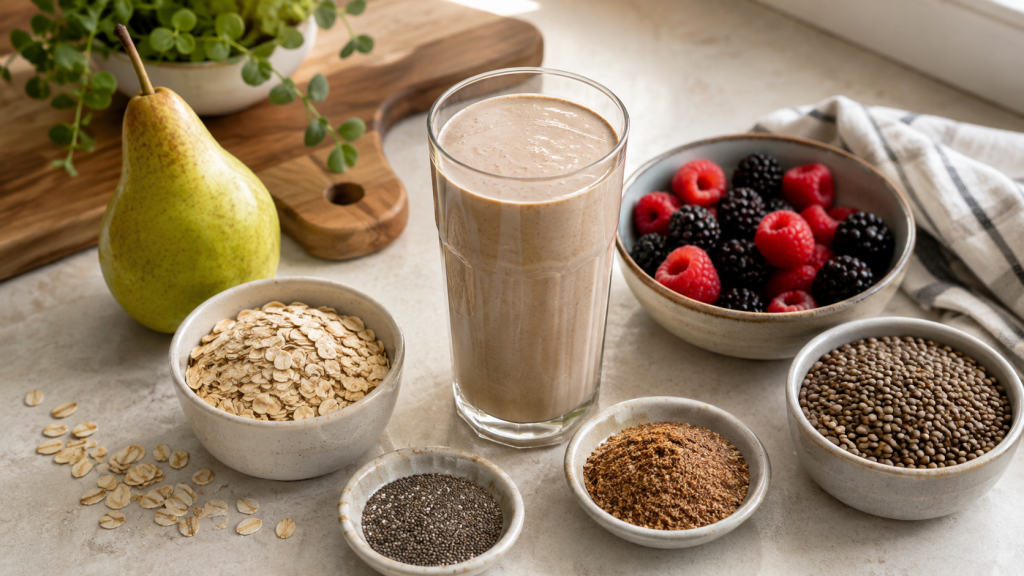
Plain protein powder contains little or no fiber. If a shake replaces oatmeal, fruit, beans, vegetables, or a whole-grain meal, your daily fiber intake may drop without you noticing.
Fiber adds bulk to stool and helps it retain water. According to the National Institute of Diabetes and Digestive and Kidney Diseases (NIDDK), adults generally need about 22–34 grams of fiber per day, depending on age and sex.
Useful sources include:
- Oats and other whole grains
- Beans, lentils, and chickpeas
- Berries, pears, oranges, and apples with the skin
- Vegetables
- Nuts and seeds
Increase fiber gradually. Adding a large amount overnight can cause more gas and bloating.
2. The shake replaced a solid meal
A scoop of powder mixed with water provides much less solid material than a complete meal. If shakes replace one or more meals, you may produce less stool and notice fewer bowel movements.
Fewer bowel movements do not always mean constipation. However, if the change comes with hard stools, discomfort, or straining, add more whole foods rather than relying on shakes for most of your nutrition.
If you use shakes for convenience, pair them with something solid, such as fruit, oatmeal, whole-grain toast, yogurt with berries, or a balanced meal later in the day.
3. You are not getting enough fluid
Dehydration can contribute to hard, dry stools because the colon absorbs water from the material passing through it.
A protein shake does not automatically dehydrate you. The problem may be that you are drinking less overall, exercising more, sweating more, or increasing fiber without increasing fluids.
Drink water regularly throughout the day, especially when adding fiber. More water is not a guaranteed cure if you are already well hydrated, but adequate fluid helps fiber work properly.
4. The powder contains ingredients that upset your gut
Some powders contain sugar alcohols, added fibers, gums, or other thickeners. These ingredients affect people differently and are more commonly associated with gas, bloating, cramps, or diarrhea. The discomfort can sometimes be mistaken for constipation.
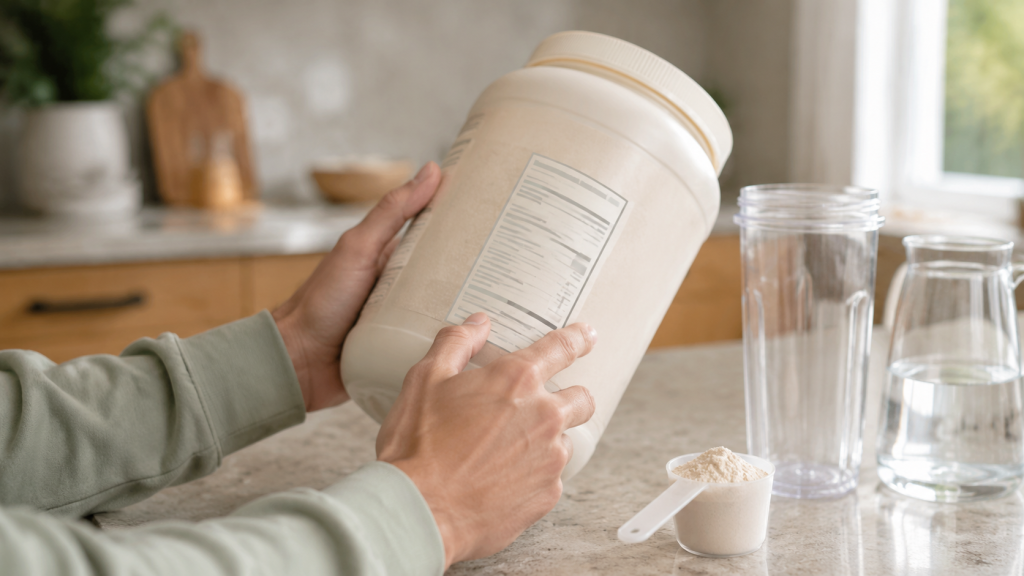
Check the ingredient list for:
- Sorbitol
- Maltitol
- Xylitol
- Mannitol
- Erythritol
- Inulin or chicory-root fiber
- Guar gum
- Large amounts of several gums or added fibers
An ingredient is not automatically harmful because it appears on this list. If symptoms began with a particular powder, try a simpler formula for one to two weeks and compare how you feel.
5. The shake contains added iron or calcium
Ready-to-drink shakes and meal-replacement powders may be fortified with vitamins and minerals. Supplemental iron commonly causes constipation in some people, while calcium supplements can also affect bowel habits.
Read both the ingredient list and the Nutrition or Supplement Facts panel. Consider your total intake if you also use a multivitamin or separate mineral supplement. Do not stop prescribed iron without speaking with your healthcare professional.
6. Several parts of your routine changed at once
The shake may receive the blame simply because it is the most obvious new product. Other common contributors include
- Eating fewer calories
- Traveling or changing your schedule
- Ignoring the urge to have a bowel movement
- Becoming less physically active
- Starting or changing medication
- Pregnancy
- An underlying digestive or hormonal condition
Write down what you ate, drank, and changed during the week your symptoms started. The pattern is often more useful than focusing on protein alone.
Does Whey Protein Cause Constipation?
Whey protein does not cause constipation in everyone. A whey shake may contribute indirectly if it replaces fiber-rich food or if the rest of your routine changes.
Whey concentrate also contains more lactose than whey isolate. In people with lactose intolerance, lactose usually causes symptoms such as gas, bloating, abdominal pain, nausea, or diarrhea. Those symptoms can create a heavy or “blocked” feeling, but they do not necessarily mean that the person is constipated.
If whey concentrate causes gas or bloating, you could try
- A smaller serving
- Whey isolate, which generally contains less lactose
- A lactose-free product
- Pea, soy, rice, or another plant-based protein
Changing powder is a reasonable experiment, but persistent symptoms deserve medical evaluation rather than repeated self-testing.
Can Plant-Based Protein Powder Cause Constipation?
It can, although plant-based powders are not automatically more constipating than whey.
Some plant powders include added fiber, inulin, gums, or sugar alcohols that may cause bloating. Others contain very little fiber despite being made from plants. Read the label rather than judging the product only by its protein source.
If you change from whey to a plant-based powder, start with a smaller serving and increase gradually. This can help your digestive system adjust to any added fiber.
A Simple Troubleshooting Guide
| What you notice | More likely explanation | First step to try |
|---|---|---|
| Hard, dry stools and low fiber intake | Too little fiber | Add fiber-rich whole foods gradually |
| Hard stools plus low fluid intake | Inadequate hydration | Drink fluids regularly, especially with added fiber |
| Fewer stools after replacing meals with shakes | Less food volume | Restore a balanced solid meal |
| Gas and bloating after whey concentrate | Possible lactose intolerance | Try a smaller serving, whey isolate, or lactose-free protein |
| Gas after a sugar-free powder | Sugar alcohols or added fibers | Test a simpler formula without those ingredients |
| Symptoms began after a fortified meal shake | Added iron or calcium may contribute | Review the label and discuss supplements with a professional |
| Symptoms continue despite changing the shake | Another cause may be involved | Speak with a healthcare professional |

How to Relieve Constipation Associated With Protein Shakes
Add fiber gradually
Start by adding one or two fiber-rich foods instead of trying to change your entire diet in one day.
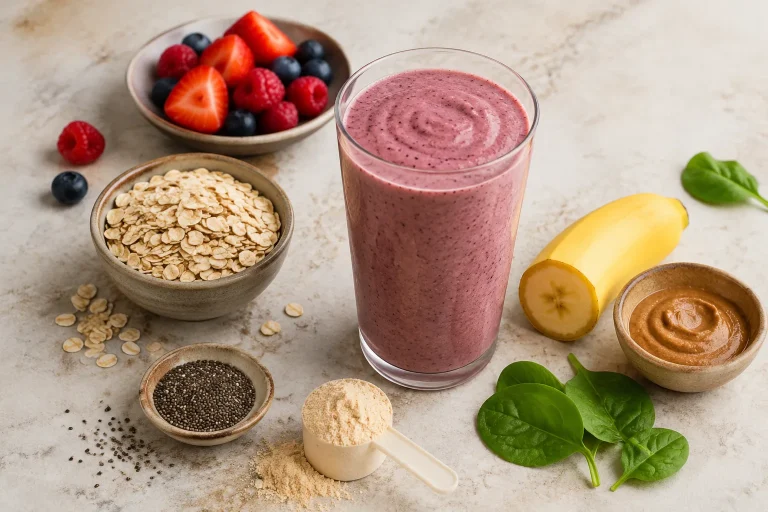
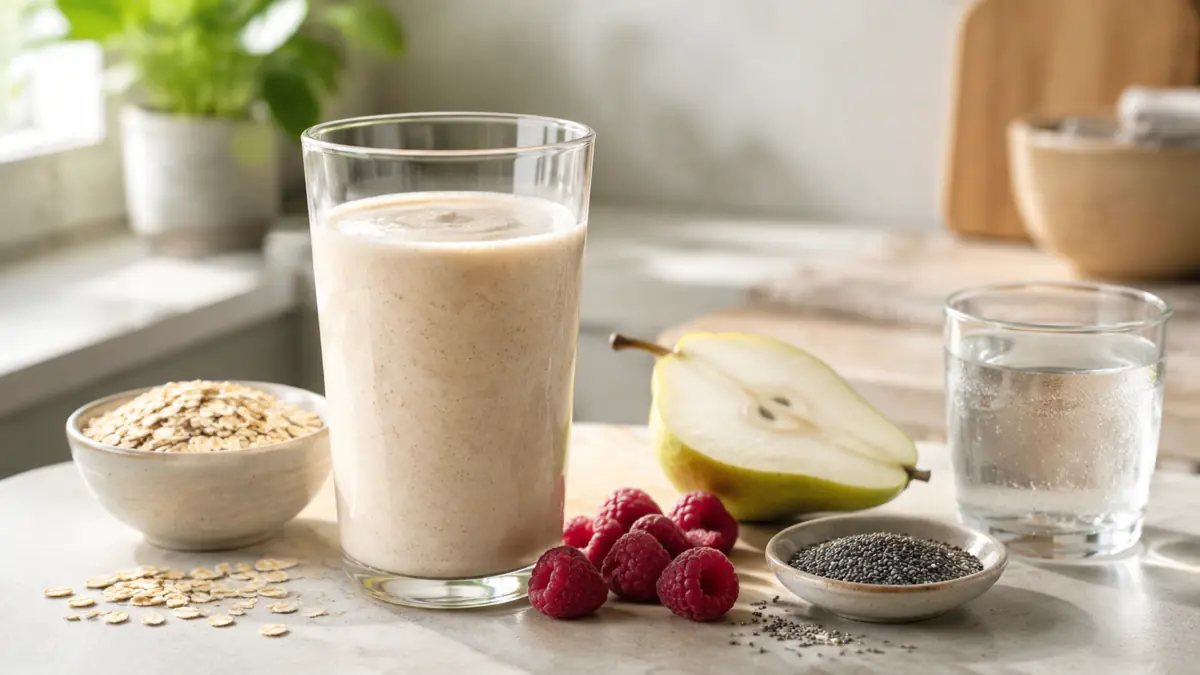
Options that work well alongside a shake include
- Raspberries or blackberries
- Oats
- Chia seeds
- Ground flaxseed
- A pear or apple with the skin
- Beans or lentils in another meal
If you have irritable bowel syndrome or another digestive condition, ask a registered dietitian which fiber sources are most appropriate for you.
Drink enough fluid
Water and other fluids help fiber soften stool. Spread your intake across the day instead of drinking a very large amount at once.
People with heart disease, kidney disease, or a medically prescribed fluid restriction should follow their clinician’s advice rather than a general hydration target.
Keep whole foods in your diet
Protein shakes are supplements, not a requirement. Whenever possible, use them to complement meals rather than replace most of your food.To understand their wider benefits and limitations, learn what protein shakes actually do to your body.
If you need help making a balanced shake, see our guide on how to make a protein shake.
Review how much protein you actually need
More protein is not always better. Your needs depend on body size, activity, training goals, health, and total diet.
For context, research on resistance training suggests that benefits from increasing total daily protein tend to level off around 1.5–1.6 grams per kilogram of body weight per day for many adults, although individual needs vary.
Our guide to how many protein shakes a day may be appropriate can help you decide whether the shake is filling a real gap.
Stay physically active
Regular activity may help relieve constipation. A walk can be a practical starting point if you have been sitting more than usual.
Change one variable at a time
Do not simultaneously switch powders, add several supplements, double your fiber, and change your meal plan. You will not know what helped or what made symptoms worse.
Try one reasonable change, observe your symptoms, and keep a brief food and symptom record.
How Quickly Should It Improve?
There is no universal timetable because the cause matters. Mild constipation related to a temporary diet or routine change may improve within several days after restoring fiber, fluids, food volume, and activity.
Do not keep experimenting indefinitely. Contact a healthcare professional if symptoms do not improve with self-care, become recurrent, or interfere with your normal activities.
Choosing a Protein Powder That Is Easier to Tolerate
Look for a product that fits your personal tolerance rather than one marketed with vague “clean” claims.
A practical checklist
- A short, understandable ingredient list
- A protein source you tolerate
- Little or no lactose if lactose bothers you
- No sugar alcohols if they cause gas or diarrhea for you
- No unnecessary high-dose iron or calcium
- Independent quality testing when available
In the United States, dietary supplements are regulated differently from medicines and do not receive the same FDA premarket approval. Independent seals can provide information about manufacturing quality and whether a product contains the listed ingredients, but they do not guarantee that it will be safe, effective, or comfortable for every person.
When to Contact a Doctor
Seek medical advice if constipation does not improve with self-care or if it keeps returning.
According to NIDDK guidance, seek prompt medical care if constipation occurs with
- Rectal bleeding or blood in the stool
- Constant or severe abdominal pain
- Inability to pass gas
- Vomiting
- Fever
- Unintentional weight loss
Also talk with your clinician if you take medication that may affect digestion, including GLP-1 medicines, iron, certain pain medicines, or other prescriptions. Do not stop a prescribed medicine without professional advice.
Frequently Asked Questions
Why do protein shakes make me constipated?
The shake may have replaced fiber-rich food or a solid meal, or you may not be drinking enough fluid for your current diet. Added iron or calcium can contribute in some people. Gas from lactose, sweeteners, or added fibers may also feel like constipation even when stool frequency is normal.
Should I stop drinking protein shakes if I am constipated?
You can pause the shake temporarily or reduce the serving while reviewing your overall diet and symptoms. A shake is optional. If constipation continues after removing it, another cause may be involved.
What can I add to a protein shake for constipation?
Depending on your tolerance, try a small amount of oats, chia seeds, ground flaxseed, berries, or pear. Increase fiber gradually and drink adequate fluids. People with digestive disorders should seek personalized advice.
Can too much protein make you constipated?
A high-protein diet can indirectly contribute when it crowds out fruits, vegetables, legumes, and whole grains. The total eating pattern usually matters more than protein alone.
Is whey isolate better than whey concentrate for digestion?
Whey isolate generally contains less lactose, so some people with lactose intolerance tolerate it better. However, it will not correct constipation caused by low fiber, inadequate fluid, or replacing meals with shakes.
The Bottom Line
Protein shakes can be associated with constipation, but the powder is only one part of the picture. Low fiber intake, reduced food volume, inadequate fluids, fortified nutrients, and unrelated routine or medication changes are often more useful places to look.
Confirm your symptoms, review what changed, and make one adjustment at a time. If constipation persists or appears with bleeding, severe pain, vomiting, fever, inability to pass gas, or unexplained weight loss, seek medical care.
Sources
- NIDDK Symptoms and Causes of Constipation
- NIDDK Eating, Diet, and Nutrition for Constipation
- NIDDK Symptoms and Causes of Lactose Intolerance
- NIH Office of Dietary Supplements Dietary Supplements—What You Need to Know
- PubMed Protein Intake and Strength Training Dose-Response Meta-analysis
This article provides general educational information and is not medical advice. Consult a doctor or registered dietitian for guidance based on your health, medications, and dietary needs.